Water Heater Master Guide: Types, Lifespan, Repair Costs & When to Replace
Your water heater is one of the hardest-working systems in your home—and one of the easiest to forget until something goes wrong. Whether you’re dealing with inconsistent hot water, rising energy bills, strange noises, or planning ahead for replacement, understanding how water heaters work puts you back in control.
This complete water heater guide breaks down the different system types, expected lifespans, common failure patterns, realistic repair costs, and clear decision points so you can protect your comfort, your home, and your budget before a small issue becomes a major disruption.
Always follow safety guidelines when inspecting or repairing your water heater. Consult a professional if unsure.
Quick Summary
Before you start
To prevent further damage to floors, cabinets, and drains, stop using the affected fixture and clean up any standing water.
If you notice burn marks (gas), repeated breaker trips (electric & tankless), or extremely high pressure, call a licensed plumber.
SECTION 1 — Introduction & System Overview
1.1 Why Your Water Heater Deserves More Attention
Among all the mechanical systems in a home, the water heater is one of the most relied upon and least visible. It quietly delivers hot water for showers, dishwashing, laundry, cleaning, and sanitation, often for years at a time with little thought from the homeowner. When it begins to fail, however, the disruption is immediate: lukewarm showers, long waits for hot water, discolored or smelly water, strange noises, or, in the worst case, sudden leaks that damage floors, walls, and belongings.
Understanding how water heaters work, what types are available, how long they typically last, and which symptoms point to repair versus replacement gives homeowners a major advantage. Instead of waiting for a catastrophic failure, you can plan upgrades on your own timeline, budget effectively, and select a system that fits your household’s usage patterns. This guide walks through the major water heater types, their strengths and weaknesses, typical lifespans, the most common failure modes, realistic repair ranges, and clear decision points for when it is time to stop repairing an aging unit and invest in something new. The goal is not to turn every homeowner into a plumber, but to provide enough context and clarity so that you can recognize warning signs, ask better questions, and make decisions that protect both your comfort and your home.
With a basic roadmap, hot water becomes a managed system instead of a hidden gamble. All of these systems must be properly controlled and protected. Temperature and pressure relief valves prevent dangerous overpressure conditions. Thermostats and limit switches keep water within safe temperature ranges. Gas-fired models rely on correct combustion air, venting, and gas supply sizing. Electric models require appropriate wiring and breakers. Regardless of style, a water heater is a pressure vessel connected to fuel and electricity. That combination demands respect, thoughtful installation, and periodic maintenance.
SECTION 2 — Types of Water Heaters
Despite the variety of designs, all water heaters serve the same purpose: they raise the temperature of incoming cold water and deliver it safely to fixtures at a controlled temperature and pressure. Conventional tank-style units store a fixed volume of heated water inside an insulated tank. Thermostats monitor temperature and cycle the burner or electric elements on and off to maintain a setpoint. As hot water is used, cold water enters to replace it, and the system reheats the tank to restore capacity.
2.1 Tank Water Heaters
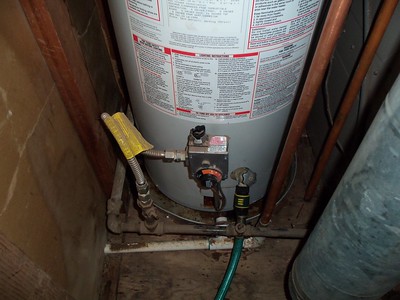
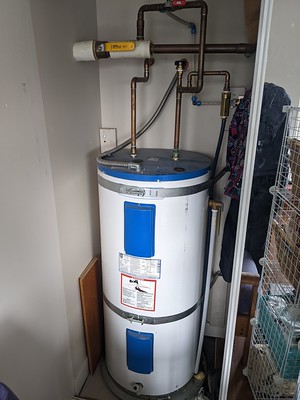
Traditional tank-style water heaters remain the most common system in residential homes. Their operation is based on storing and heating a fixed volume of water inside a lined steel tank, with heating provided by either electric elements or a gas burner assembly. From the outside, a conventional tank-style water heater appears simple—a vertical cylinder with hot and cold connections, a temperature-and-pressure relief valve, and, for gas models, a burner assembly and vent. Inside the tank, however, several components work together to provide safe, reliable hot water. Cold water enters through a dip tube that carries incoming water toward the bottom of the tank so it does not immediately mix with the hottest water at the top. A thermostat or set of thermostats monitor water temperature and command the burner or elements to cycle on and off.
How They Work:
Strengths:
Weaknesses:
Common Failure Patterns:
Ideal Use Cases: Homes with predictable water use and moderate installation requirements.
2.2 Tankless Water Heaters
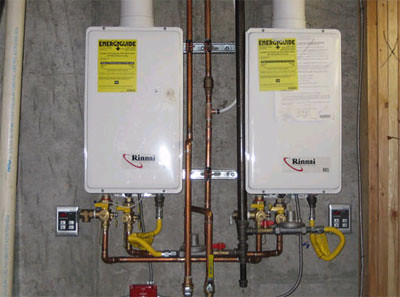
Tankless (on-demand) systems heat water only when a fixture opens, eliminating standby losses and providing continuous hot water under the right capacity conditions. They use powerful burners or electric elements to heat water as it flows through a heat exchanger. Properly sized, they can deliver continuous hot water as long as the combined flow of fixtures does not exceed their design capacity. They are often more efficient for households with lower or variable hot water usage, but they require precise sizing, careful installation, and regular descaling in hard-water areas.
How They Work:
Strengths:
Weaknesses:
Common Failure Patterns:
Ideal Use Cases: Energy-efficient homes, variable-use households, or space-limited installations.
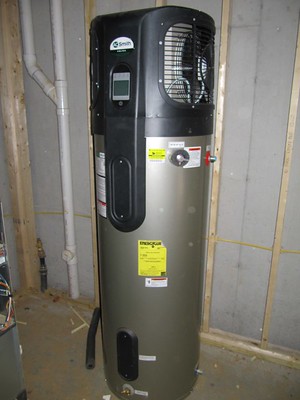
2.3 Heat Pump Water Heaters
Heat pump water heaters (HPWHs) are the most energy-efficient storage-type systems for residential use. Instead of generating heat directly, they move heat from the surrounding air into the water. They deliver excellent efficiency in many climates, especially when located in spaces with warm ambient air or waste heat, such as garages or mechanical rooms. Indirect and combination systems are more specialized. In these setups, a boiler or hydronic heating system also supplies domestic hot water through a separate storage tank or integrated appliance. These are most common in colder climates with hydronic heating and require coordinated design between the plumbing and HVAC trades.
How They Work:
Strengths:
Weaknesses:
Common Failure Patterns:
Ideal Use Cases: Conditioned basements, garages, and regions with high electricity rates where efficiency gains offer strong ROI.
SECTION 3 — How Water Heaters Fail (Behavior Patterns & Failure Modes)
Rumbling, popping, or banging sounds from a tank indicate heavy sediment buildup. Water trapped beneath sediment can flash to steam and create those noises. This reduces efficiency and increases stress on the tank and heat source. While flushing may restore some performance if the buildup is not severe, chronic noise in an older unit is often a precursor to failure. Any leaks or moisture around the base—especially from the shell rather than fittings—require immediate attention. Once the steel tank begins to leak, replacement is the only reliable solution.
3.1 Common Repairs and How to Think About Cost
Not every water heater problem means the unit must be replaced immediately. Some issues are relatively minor and can be resolved cost-effectively when the tank is still structurally sound. For electric units, replacing failed heating elements or thermostats can restore performance at a fraction of the cost of a new heater. For gas models, replacing control valves, thermocouples, ignition assemblies, or burner components may extend service life, especially on younger units with no signs of tank deterioration.
Anode rod replacement is a maintenance-oriented repair that can significantly extend tank life when performed before substantial corrosion occurs. Inspecting and replacing the anode every few years in aggressive water conditions is often one of the best investments a homeowner can make in a tank-style water heater.
Leak repairs at fittings, unions, or valves may also be straightforward, although recurring leaks or heavy corrosion in these areas can indicate that the tank is reaching the end of its useful life.
Tankless repairs often involve sensors, flow switches, fans, control boards, or combustion components. While individual repairs may be reasonable, repeated issues or major component failures in older units may tilt the balance toward replacement. When evaluating any repair estimate, consider both the age and condition of the unit and the cost of the repair relative to the price of a new, properly sized and installed system. As a rule of thumb, spending a large percentage of the cost of a new unit on a heater already past its average lifespan is rarely wise.
3.2 When Repair No Longer Makes Sense: Clear Replacement Triggers
There are several scenarios where replacement clearly offers better value than further repair, even if the existing heater is still technically running. The first and most obvious is a leaking tank body. Once water begins seeping from the shell—not just from fittings or valves—the structural integrity of a tank-style heater is compromised. No permanent, safe repair exists for a corroded tank. Replacing the unit promptly limits water damage and eliminates the risk of sudden tank rupture. Age combined with symptoms is another strong replacement trigger. A tank-style heater that is ten to fifteen years old and showing signs of corrosion, rumbling, inconsistent performance, or frequent repairs is near the end of its natural life. Even if one more repair restores functionality, the underlying metal fatigue and corrosion will not reverse. Continuing to invest in that unit typically yields diminishing returns.
Major component failure with marginal remaining life also points toward replacement. When expensive components such as control boards, heat exchangers, or complex assemblies fail on older tankless or hybrid units, the cost of parts and labor may approach or exceed the cost of a modern replacement. Changing household needs can be the final trigger. A growing family, a home renovation that adds bathrooms, or a desire for higher efficiency may be reason enough to replace an undersized or outdated system before it fails. Viewing the decision through a lifecycle lens—remaining life and operating cost of the old system versus installed cost, efficiency, and reliability of a new one—helps clarify the choice.
3.3 Installation Quality, Code Requirements, and Safety Basics
Even the best water heater will perform poorly or unsafely if installed incorrectly. Proper installation begins with selecting equipment compatible with the home’s available fuel, venting options, electrical service, and space constraints.
Gas-fired units must have correctly sized gas piping, adequate combustion air, and venting that meets both manufacturer requirements and local codes. Improper venting can allow combustion gases—including carbon monoxide—into the living space, creating serious health risks.
Electric units require correct wire sizing, overcurrent protection, and bonding or grounding according to code.
All units must be installed on stable surfaces, secured as required in seismic regions, and located where leaks will be visible or where containment measures such as drain pans and floor drains are in place. In many jurisdictions, permits and inspections are required for water heater replacement. These oversight mechanisms are designed to ensure that safety devices, venting, combustion air, electrical work, and pressure controls all meet minimum standards.
Because water heaters intersect with plumbing, gas, and electrical systems, DIY installation is often riskier than homeowners realize. Mistakes may not be immediately obvious but can increase the likelihood of leaks, scalding, fire, or carbon monoxide exposure. Working with qualified, licensed professionals who follow both code and manufacturer instructions is an investment in safety and long-term reliability.
3.4 Key Safety Considerations: Combustion, Scalding, and Pressure
Water heaters operate at the intersection of hot water, pressure, and, in many cases, combustion.
SAFETY WARNING: Temperature-and-pressure relief valves are life-safety devices and must never be capped, plugged, or piped in ways that prevent them from discharging. The discharge line should be correctly sized, constructed of approved materials, and routed to a visible, safe termination point.
A T&P valve that drips frequently may indicate system problems or valve failure, and both conditions warrant prompt professional review.
Combustion safety is equally critical on gas-fired units. Heaters located in garages, basements, or closets must have adequate combustion air. Flame rollout, backdrafting, or soot staining near the draft hood are serious warning signs that combustion gases are not venting properly. Carbon monoxide detectors should be installed on each level and near sleeping areas as a backup defense. Any suspicion of CO issues—such as headaches, dizziness, or unexplained fatigue—demands immediate evacuation and emergency service.
Scald prevention balances the need for water hot enough to prevent microbial growth with the risk of burns, especially for children and older adults. Many systems are set to around 120°F at the tank or incorporate thermostatic mixing valves to blend hot and cold water to safer delivery temperatures. Local codes and guidelines should inform these settings.
Finally, water heaters should not be used as shelves or storage surfaces. Combustible items stored too close to gas controls, burners, or electrical connections create unnecessary fire and service hazards.
3.5 Proactive Ownership: Planning Ahead Instead of Reacting
A water heater may operate quietly in a corner of the basement or a utility closet, but it is central to comfort, hygiene, and everyday routines. Treating it as a managed asset rather than an afterthought changes the experience of homeownership. Keeping track of installation dates, model information, and maintenance history allows you to estimate remaining life and budget for replacement on your own schedule. Periodic visual inspections, annual or biannual maintenance, and simple tests such as exercising the T&P valve under professional guidance all contribute to a longer, more reliable service life.
When you understand the basic types of water heaters, their strengths and tradeoffs, and the warning signs of trouble, you gain leverage in conversations with contractors and confidence in your decisions. Instead of being forced into a quick replacement after a catastrophic leak, you can evaluate options ahead of time, compare efficiency levels, and decide whether to stay with your current technology or upgrade to a different style.
Proactive planning also gives you time to consider related improvements, such as adding a drain pan, upgrading venting, or adjusting gas or electrical capacity. Ultimately, no water heater lasts forever. The goal is not to avoid all future problems, but to reduce the likelihood of disruptive failures and to make thoughtful, well-informed choices when upgrades are needed. With a clear understanding of how your system works, what maintenance it requires, and how to interpret its symptoms, you can protect your home, your budget, and your comfort for many years.
SECTION 4 — Homeowner Diagnostic Framework
Before assuming a major failure, homeowners can perform a handful of safe, non-invasive checks that often clarify whether the problem is with the water heater itself or something external:
4.1 Initial Checks
4.2 Symptom Pattern Recognition
Water heaters usually fail in recognizable patterns. Paying attention to how, when, and where the symptoms appear helps narrow down the cause:
4.3 When Diagnostics Indicate Replacement
Diagnostics begin to suggest replacement instead of repair when age, condition, and cost converge:
SECTION 5 — Scenario-Based Troubleshooting
Scenario 1 – Hot water runs out much faster than it used to.
- This pattern typically points to sediment buildup reducing effective tank volume, a failed lower element on an electric unit, a broken dip tube allowing cold water to mix at the top of the tank, or simply a tank that is too small for current household usage.
Scenario 2 – Water is scalding hot at times, then unexpectedly lukewarm.
- Inconsistent temperature often indicates a sticking thermostat or gas valve, an intermittent sensor issue, or a faulty mixing valve. It can also appear when multiple fixtures are drawing hot water and the system is struggling to keep up.
Scenario 3 – The heater makes loud popping or rumbling sounds during every heat cycle.
- This is a classic sediment symptom. Mineral deposits at the bottom of the tank trap small pockets of water that flash to steam, creating sharp noises. Left unaddressed, this accelerates wear on elements and tank lining. Scenario 4 – Only hot water has a sulfur or “rotten egg” odor If cold water smells fine but hot water does not, the issue is almost always inside the heater. Bacteria interacting with the anode rod or certain water chemistries can create odor. Anode replacement or a powered anode solution is often recommended.
Scenario 5 – The breaker trips whenever the water heater calls for heat.
- This usually points to an electrical fault: a shorted heating element, damaged wiring, or moisture intrusion. This is not a DIY situation; power should be left off and a professional should test components and insulation.
Scenario 6 – A tankless unit shuts down or throws error codes when multiple fixtures run.
- This scenario suggests that the unit is undersized for the demand, the gas line cannot supply full input, scale has restricted the heat exchanger, or inlet filters are clogged. A professional can verify sizing, gas flow, and perform a descaling service if needed.
SECTION 6 — Cost Expectations & Repair vs Replacement
Understanding typical repair and replacement costs helps homeowners plan effectively and avoid unnecessary emergency spending. Costs vary by fuel type, system age, installation constraints, and regional labor rates. Typical Repair Costs:
Typical Full Replacement Costs:
Repair vs Replacement Guidance:
SECTION 7 — Lifespan & Replacement Timing
Different water heater types have distinct lifespan expectations based on materials, usage patterns, and water quality. Understanding these ranges helps homeowners identify when proactive replacement becomes logical.
Typical Lifespans:
Replacement Timing Indicators:
SECTION 8 — Homeowner vs Professional Responsibilities
The boundary between homeowner and professional tasks protects safety while ensuring the system receives proper maintenance and diagnostics.
Homeowner‑Appropriate Tasks:
Professional‑Only Tasks:
SECTION 9 — Safety Callouts
Critical Safety Warnings:
SECTION 10 — Quick Diagnostic Checklist
SECTION 11 — Frequently Asked Questions (FAQ)
Q1. How long should my water heater last?
Most conventional tank-style water heaters last between 8 and 12 years, while tankless units often reach 20 years or more with proper maintenance. Heat pump and hybrid models typically fall in the 10–15 year range. Water quality, installation quality, and maintenance habits all influence actual lifespan.
Q2. How do I know if my water heater is failing?
Common signs include inconsistent hot water, longer wait times for hot water, discolored or rusty hot water, rumbling or popping noises, frequent pilot or ignition issues, and any leaks around the base or shell. Multiple symptoms occurring together, especially on an older unit, strongly suggest that failure is approaching.
Q3. Is it worth replacing the anode rod?
Yes. Replacing a depleted anode rod is one of the most effective ways to extend the life of a tank-style heater. In aggressive water conditions, periodic anode inspections and replacements can add years of service by slowing internal corrosion.
Q4. Should I repair or replace an older water heater?
If your unit is near or past its expected lifespan and needs a major repair, replacement is usually the better long-term choice. Minor, low-cost repairs can make sense on younger units that show no signs of tank damage. Consider the cost of the repair, the age of the unit, and the likelihood of future problems.
Q5. Are tankless water heaters always a better choice?
Tankless systems offer benefits such as endless hot water and improved efficiency for some households, but they are not ideal for every situation. They require proper sizing, may need gas or electrical upgrades, and demand regular maintenance. For some homes, a well-sized, efficient tank-style or heat pump water heater is a better fit.
Q6. What temperature should I set my water heater to?
Many households use a setting around 120°F to balance comfort, energy efficiency, scald protection, and microbial safety. Certain health situations or local codes may call for different strategies, such as higher tank temperatures combined with thermostatic mixing valves. A professional can help determine the best configuration for your home.
Q7. Do I really need annual maintenance?
Regular maintenance is strongly recommended. Flushing sediment, checking the anode rod, testing safety devices, cleaning filters and inlets on tankless and heat pump units, and verifying combustion or electrical performance all contribute to efficiency, safety, and long service life.
Q8. Why does my hot water smell like rotten eggs?
A sulfur or rotten-egg odor is often caused by bacteria reacting with the anode rod in the heater, particularly in homes with well water. Solutions may include disinfecting the system, installing a different type of anode, or adding water treatment. A qualified professional can diagnose the specific cause and recommend options.
Q9. Can I install a new water heater myself?
While some experienced homeowners may be capable of basic mechanical tasks, water heater installation involves plumbing, gas, electrical, venting, and safety code requirements. Improper installation can create fire, flood, or carbon monoxide risks. For most people, hiring a licensed professional is the safer, more reliable choice.
Q10. What is the single most important thing I can do to protect my water heater?
The most impactful step is combining regular maintenance with awareness. Replace filters or clean strainers where applicable, flush tanks on a sensible schedule, monitor for leaks and unusual behavior, and schedule professional inspections periodically. Catching issues early prevents small problems from turning into emergencies and maximizes the value of your investment.
Q11. Why does my water heater make popping noises?
Sediment buildup traps water pockets that flash to steam, causing sharp noises. A tank flush or sediment service is recommended.
Q12. Why do I run out of hot water more quickly than before?
Sediment, a failed element, or increased household demand may be the cause.
Q13. Should my water heater have an expansion tank?
Closed plumbing systems require one to prevent pressure fluctuations that stress the heater and fixtures.
SECTION 12 — Final Summary & Key Takeaways
A well-maintained water heater provides reliable comfort and efficiency. Understanding failure patterns, staying alert to early warning signs, and performing basic annual maintenance extend system life and reduce unexpected breakdowns. When symptoms escalate—such as inconsistent temperatures, electrical trips, leaks, or poor recovery—timely professional evaluation prevents further damage. Replacement becomes the best option when age, efficiency loss, or repeated failures make repair uneconomical. With proper care, the right unit can deliver many years of safe, dependable service for your household.